French Legal Frameworks Shaping Mobile Access to Regulated Live Dealer Experiences
Mara Zimmermann · Aug 20, 2026
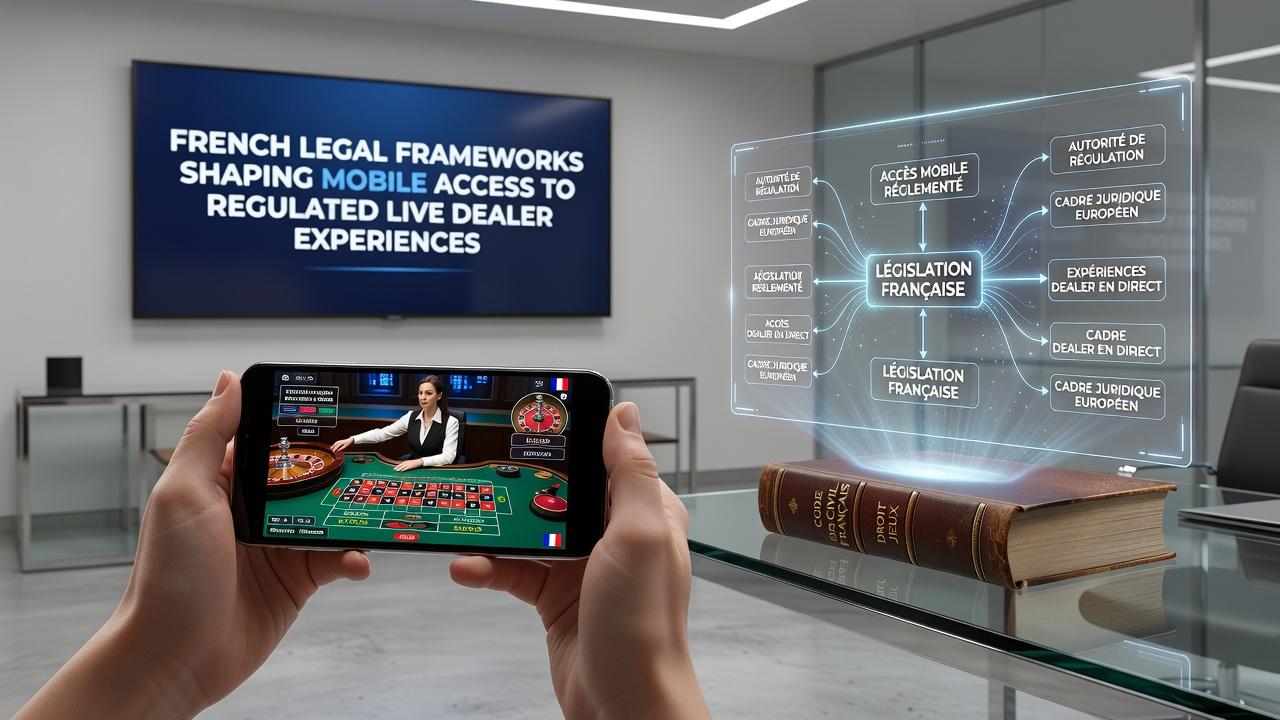
French Legal Frameworks Shaping Mobile Access to Regulated Live Dealer Experiences
France maintains a structured system of gambling oversight that directly influences how operators deliver live dealer experiences on mobile devices, and this system traces its modern foundations to legislation passed in 2010 that opened online poker and sports betting while imposing strict controls on casino-style offerings. The Autorité Nationale des Jeux, known as ANJ, serves as the central licensing and compliance body that evaluates applications, monitors operations, and enforces technical standards across all authorized platforms including those optimized for smartphones and tablets. Live dealer games such as roulette, blackjack, and baccarat fall under specific licensing categories that require operators to maintain real-time video streams, certified random number generators, and secure payment gateways accessible through mobile applications or responsive web browsers.
Core Legislation and Its Mobile Implications
The 2010 framework, later amended through successive decrees, establishes that only entities holding an ANJ license may offer regulated live dealer content to French residents, and these licenses mandate geolocation verification that functions seamlessly on mobile networks while blocking access from unauthorized jurisdictions. Operators must integrate age verification systems that comply with data protection rules, and mobile implementations often rely on device fingerprinting combined with national identity checks to prevent underage participation. Data from regulatory filings indicate that licensed platforms processed millions of mobile sessions annually, with live dealer tables accounting for a growing share of total wagers as smartphone penetration increased throughout the decade.
Technical requirements issued by the ANJ specify that live video feeds must meet minimum latency thresholds and encryption standards, conditions that become particularly relevant when players access tables via cellular connections rather than fixed broadband. Operators frequently deploy adaptive streaming technologies to maintain compliance across varying mobile bandwidth conditions, and failure to sustain these standards can result in license suspension. The regulatory body conducts periodic audits that include reviews of mobile-specific user interfaces, ensuring that responsible gaming tools such as session limits and deposit caps remain equally accessible on handheld devices as on desktop versions.
Enforcement Mechanisms and Recent Developments
Enforcement actions documented by the ANJ demonstrate consistent application of rules to mobile offerings, with several operators receiving fines for inadequate geoblocking or delayed verification processes on smartphone platforms. These cases illustrate how the authority interprets existing statutes to cover emerging delivery methods without requiring entirely new legislation each time technology evolves. Industry reports compiled by European trade associations show that France’s approach contrasts with more permissive markets yet aligns closely with neighboring EU member states that also prioritize player protection alongside revenue collection.

Regulatory updates scheduled for implementation around August 2026 focus on enhanced mobile authentication protocols and expanded data reporting requirements for live dealer sessions. These forthcoming measures build on existing obligations rather than introduce wholesale changes, and they require operators to submit detailed logs of mobile traffic patterns to facilitate ongoing risk assessments. Observers note that such incremental adjustments allow the framework to address innovations like 5G connectivity and foldable device formats while preserving core principles of transparency and consumer safeguards established over the previous fifteen years.
Cross-Border Considerations and Comparative Context
Because French residents can encounter offshore operators through mobile channels, the ANJ collaborates with international counterparts to share intelligence on unlicensed platforms. This cooperation extends to entities in other regions, including coordination with bodies such as the Australian Communications and Media Authority on cross-jurisdictional enforcement patterns. Research published by academic centers studying digital gambling markets indicates that French mobile users encounter fewer unauthorized live dealer sites compared with jurisdictions lacking centralized licensing, though complete elimination of illegal offerings remains an ongoing challenge.
Payment processing rules further shape mobile access because licensed operators must route transactions through approved French financial institutions, and these restrictions apply uniformly whether a player initiates a deposit from a desktop browser or a banking app on their phone. The ANJ maintains a public register of authorized sites that mobile users can consult, and this list is updated regularly to reflect new licensees or compliance actions. Educational campaigns funded through regulatory levies emphasize responsible mobile gambling habits, directing players toward tools embedded directly within authorized applications.
Conclusion
The French legal architecture continues to evolve in response to technological shifts while maintaining strict boundaries around mobile delivery of regulated live dealer experiences. Licensing conditions, technical mandates, and enforcement practices collectively determine which platforms may operate and under what constraints. As August 2026 approaches, additional refinements to authentication and reporting standards will layer onto this established system, reinforcing the priority placed on verifiable compliance across all access methods. Stakeholders monitor these developments through official channels and industry analyses to understand how the framework adapts without disrupting the underlying regulatory philosophy.